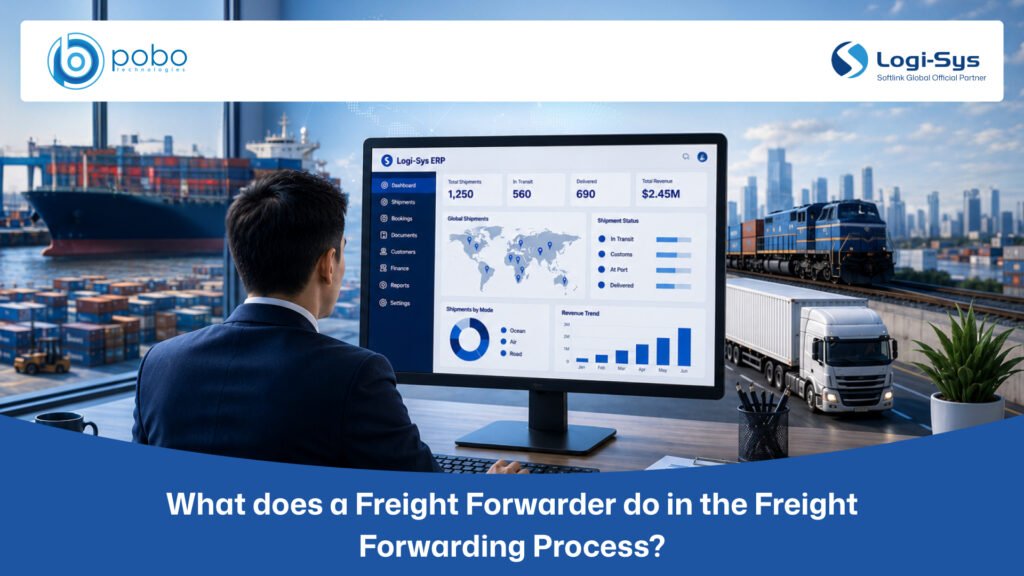
The freight forwarding process does not involve a single booking between an exporter and a carrier. Every shipment goes through several stages, including quotation, pickup, documentation, customs, transportation, tracking, arrival, delivery, and billing. Each stage entails different parties, deadlines, information, and costs.
This is often the responsibility of a freight forwarder.
A freight forwarder handles these stages on behalf of the shipper. The forwarder is not permitted to physically operate the aircraft, vessel, truck, or railroad used for transportation. Instead, they connect the parties, information, documents, and decisions needed to transport the cargo from its point of origin to its destination.
Who is a Freight Forwarder?
A freight forwarder is a person or company that arranges for cargo transportation on behalf of an importer, exporter, manufacturer, distributor, or shipper.
Depending on the shipment and agreed-upon scope, a forwarder may coordinate pickup, select transport modes and carriers, negotiate rates, prepare shipping documents, arrange consolidation, assist with customs clearance, organize insurance, track cargo, manage exceptions, and coordinate final delivery.
Where does a Freight Forwarder Fit into the Process?
The freight forwarder plays an important role in the freight forwarding shipping process by connecting the shipper with trucking companies, airlines, shipping lines, customs brokers, ports, terminals, warehouses, insurers, overseas agents, and consignees. Their responsibilities extend from initial shipment inquiries to delivery and financial closure.
Understand the Shipment Requirements
Before requesting rates or booking transportation, the forwarder collects critical shipment information. This includes the origin, destination, cargo description, dimensions, weight, quantity, value, required delivery date, Incoterms, and handling specifications.
The forwarder must also identify whether the goods are hazardous, temperature-sensitive, oversized, fragile, high-value, or subject to specific import or export controls. Incomplete information at this stage can lead to incorrect quotations, rejected cargo, compliance problems, or unexpected charges.
Plan the Transport Route and Mode
The least expensive option is not always the best option. Before recommending air, ocean, road, rail, or multimodal transportation, a forwarder considers the cost, transit time, capacity, reliability, cargo requirements, and delivery priorities.
Obtain Rates and Book Cargo Space
Freight forwarders negotiate and compare rates with carriers and service providers. A comprehensive quote may include the main freight charge, origin handling, documentation, customs-related costs, terminal fees, delivery, surcharges, and other services.
Once the shipper has approved the quote, the forwarder reserves cargo space and communicates cut-off times, pickup arrangements, documentation deadlines, and packing or labeling requirements. They must then assess whether each party is prepared to meet the planned schedule.
Coordinate Freight Documentation
International shipments may require commercial invoices, packing lists, bills of lading, air waybills, certificates of origin, permits, insurance certificates, and customs declarations.
The freight forwarder ensures that all necessary information is available and consistent throughout the documents. A discrepancy in the consignee’s name, cargo description, quantity, weight, or classification can cause delays in acceptance and clearance. Document control is thus an essential component of freight forwarding, not an administrative afterthought.
Support Customs Clearance
Freight forwarders frequently work with licensed customs brokers and internal customs teams. They provide shipment data and documents, confirm clearance status, respond to requests for additional information, and assist in coordinating cargo movement with customs release.
Track the Shipment and Manage Exceptions
Booking the shipment does not end the forwarder’s job. Cargo may miss a vessel, experience a flight rollover, encounter port congestion, receive a customs hold, arrive in damaged packaging, or miss a delivery appointment.
The forwarder monitors critical milestones and responds when movement deviates from the plan. This could include securing alternative capacity, correcting documents, coordinating inspections, informing the customer, revising delivery arrangements, or reporting a problem to the appropriate party.
Coordinate Arrival and Final Delivery
At the destination, the forwarder collaborates with international agents, terminals, customs officials, warehouses, and transportation companies. They assist in coordinating arrival notices, document release, clearance, cargo collection, and final delivery.
Manage Charges and Shipment Profitability
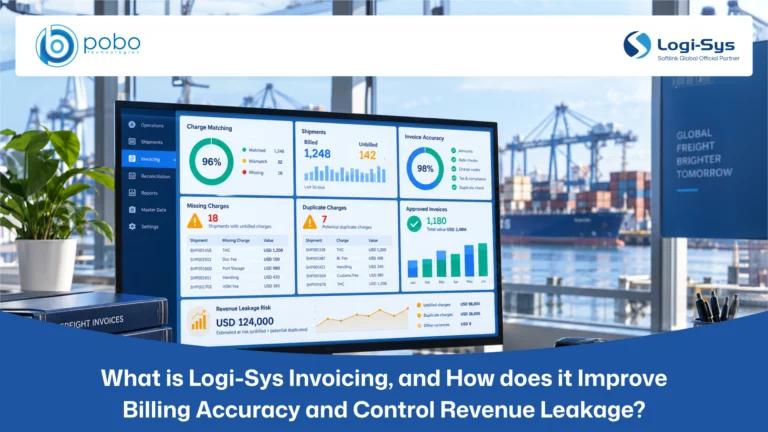
Forwarders also manage the financial aspects of each job. Supplier invoices must be checked against agreed-upon rates; customer charges must be correctly raised, additional costs documented, and credit terms followed.
Why does the Freight Forwarding Process Depend on the Forwarder?
Each provider may complete a portion of the movement, but the shipper still requires someone to connect those separate activities. A carrier transports the cargo, a terminal handles it, and a customs broker may prepare a declaration. The freight forwarder coordinates these activities with the overall shipment plan.
As a result, the forwarder serves as the shipper’s primary point of contact. They keep track of what should happen next, identify missing information, communicate changes, and respond when a delay in one stage disrupts the movement as a whole. Without proper coordination, documents, cargo, transportation capacity, and delivery arrangements can easily fall out of order.
Why do Freight Forwarders Need a Logistics ERP?
A single shipment creates quotations, bookings, documents, status updates, customs information, supplier costs, customer invoices, and delivery records. When operations, documentation, customer service, and finance teams manage this information through separate spreadsheets, emails, and systems, the freight forwarding process becomes fragmented.
A logistics ERP connects these activities around one shipment record. Teams can manage bookings, control documents, monitor milestones, record exceptions, track supplier costs, raise customer invoices, and communicate updates without repeatedly entering the same information.
This connection is important because a single operational change can affect multiple stages. A revised departure date may affect document deadlines, arrival planning, customer communication, and delivery arrangements. When all teams use up-to-date information, the forwarder can respond quickly and maintain control throughout the shipment’s lifecycle.
Conclusion
As shipment volumes, customer expectations, branches, and integrations grow, freight forwarders require more than just individual knowledge and disconnected tools. They require a logistics ERP system that is designed to integrate freight operations, documentation, finance, and customer service.
Logi-Sys ERP enables the integration of these freight forwarding activities into a unified operational environment. It enables freight forwarders to consolidate freight operations, documentation, customs, finance, and customer service into a single integrated system. It allows teams to keep consistent shipment data, automate repetitive processes, track operational milestones, and manage jobs from quote to financial closure. It also improves management’s understanding of branch performance, shipment costs, billing, and profitability.
Ready to connect every stage of your freight forwarding operations with Logi-Sys ERP? As an official Soflink Global service partner, POBO Technologies can help you implement, integrate, and optimize the system around your operational needs. Schedule a free consultation.