Freight jobs may include air or ocean freight, documentation, customs clearance, transportation, storage, handling, and destination services. If one charge is missed, the shipment may be delivered successfully, but the business will earn less than intended.
Freight invoicing is more than just generating a customer bill. Finance has to know what was quoted, which services were completed, what changed during execution, whether taxes apply, and if all customer charges were captured.
The Logi-Sys Invoicing module integrates billing with freight forwarding, customs brokerage, transportation, and warehousing operations. This allows freight forwarders to create invoices based on information from the actual task rather than recreating billing details from spreadsheets, emails, and operational notes.
What is Logi-Sys Invoicing?
Logi-Sys Invoicing is an integrated billing solution developed for freight forwarders and logistics service providers. It connects operational activities with customer invoicing so billing teams can review charges associated with the relevant freight job.
The module supports direct invoice posting from operations, multi-currency invoicing, different bill types, tax requirements, multi-country e-invoicing, user-configurable invoice formats, debit notes, credit notes, billing registers, and unbilled-job reports.
Its purpose is to create a more controlled path between the logistics services completed and the revenue billed. It also connects with financial accounting, allowing invoiced revenue and customer receivables to remain associated with the underlying shipment and business transaction.
Revenue Leakage Begins Before the Invoice
Billing errors do not always start in the finance department. They often begin while the shipment is being executed.
A customer may request additional storage. A container may require another delivery attempt. Customs processing may involve an extra service. A vehicle may wait longer than planned. Each activity can create a new customer charge, but finance cannot invoice it if operations does not record or communicate it.
In disconnected workflows, these updates may remain in emails, calls, or personal spreadsheets. When billing begins, some details may be incomplete or forgotten.
Logi-Sys ERP keeps operational and billing information connected to the freight job. When services and applicable charges are recorded correctly, billing teams gain a clearer view of what should be invoiced. This reduces dependence on memory and informal communication.
Billing Readiness Starts with Accurate Job Data
A reliable invoice depends on the information recorded against the shipment.
Customer details, transport mode, origin, destination, agreed rates, currency, tax treatment, service requirements, and credit terms should be established early. Changes made during execution must also be recorded before the invoice is prepared.
Logi-Sys allows activities from freight forwarding, customs, transportation, and warehouse operations to support the invoicing workflow. Billing teams can review charges connected to the job rather than creating every invoice line from scratch.
Operations remains responsible for recording the services performed, while billing verifies the charges, taxes, formats, and approvals. The system improves information flow, but accurate invoices still require reliable data and proper review.
Direct Posting from Operations
Entering shipment and charge information separately into operational and billing systems consumes time and creates opportunities for errors.
Logi-Sys supports direct invoice posting from operations. Relevant operational billing information can move into the invoicing workflow without being manually recreated for every shipment.
For example, an ocean import job may include ocean freight, documentation, customs brokerage, port handling, local transportation, and storage. When these services are recorded against the same job, billing can review the complete charge structure before issuing the invoice.
This gives finance better context. Each charge can be traced to the shipment and service that generated it, making the billing review more controlled.
Identifying Completed but Unbilled Jobs
One of the largest revenue risks is not an incorrect invoice. It is an invoice that was never raised.
A freight job may be operationally complete but remain unbilled because finance did not receive confirmation, a charge was pending, or the job was overlooked during a busy period. Earned revenue then remains outside the receivables process, delaying collection.
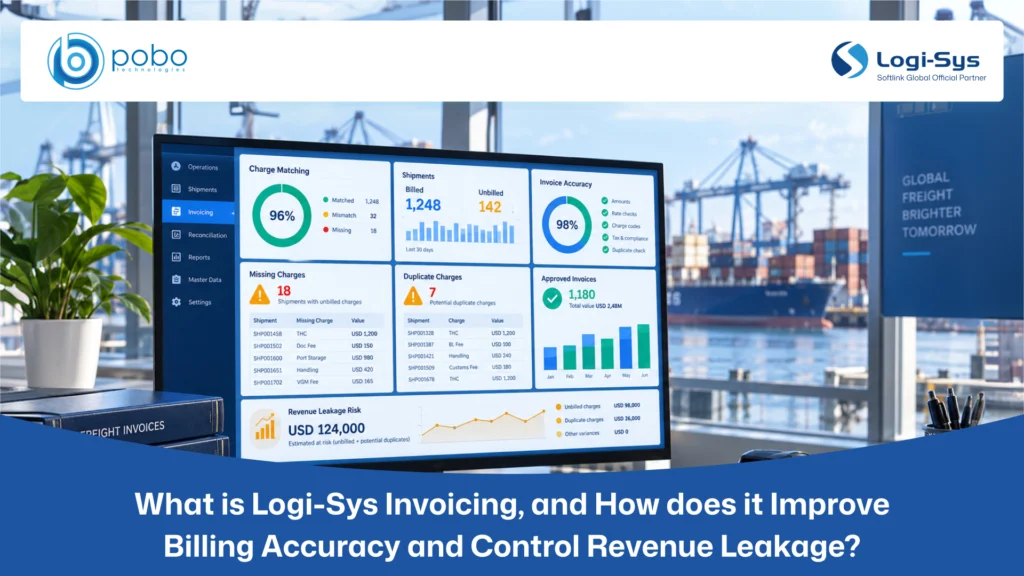
Logi-Sys provides unbilled-job reports that help teams identify completed jobs or services still waiting for invoicing. Billing teams can determine whether each job is ready to bill, needs additional information, or is awaiting approval.
This creates a stronger follow-up process and gives management visibility into revenue that may be delayed or at risk of being missed.
Managing Currencies, Taxes, and Invoice Formats
Freight forwarders frequently work with international customers, agents, carriers, and vendors. A single job can involve several currencies, tax treatments, and customer-specific billing requirements.
Logi-Sys supports multi-currency invoicing, different bill types, complex tax scenarios, and multi-country e-invoice compliance. Invoice formats can also be configured around relevant customer and business requirements.
However, the correct result depends on accurate tax settings, currencies, exchange-rate policies, and local compliance rules. These requirements should be reviewed during implementation and whenever the business enters a new market or applicable regulations change.
Controlling Debit Notes, Credit Notes, and Disputes
Invoices sometimes require adjustment after they are prepared. A customer may dispute a charge, an agreed rate may need correction, or an additional service may be confirmed later.
Logi-Sys supports debit notes and credit notes within the invoicing workflow. These help teams document increases or reductions in billed amounts through a more controlled process.
Keeping adjustments connected to the billing record also provides better context when finance or management reviews why an invoice changed.
Invoice disputes can be reduced when charges match the agreed rates, completed services, and supporting records. Clear charge descriptions, documented approvals, consistent charge codes, and reliable operational information remain essential.
Connecting Invoicing with Financial Accounting
Generating the invoice is only one stage of the financial process. Once issued, it becomes a customer receivable that must be monitored and collected.
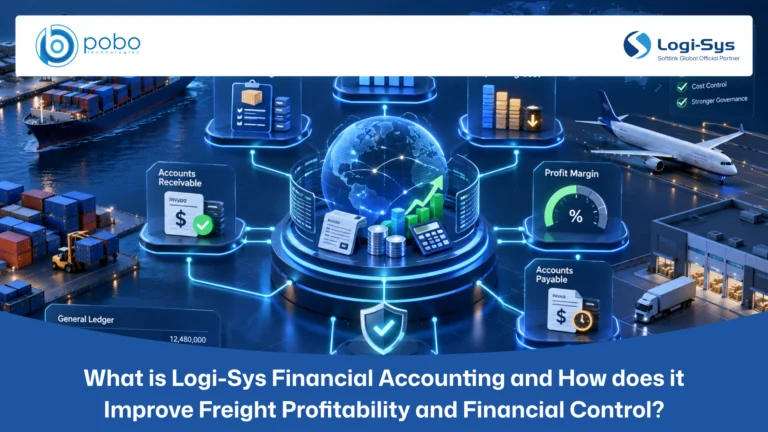
Logi-Sys connects invoicing with financial accounting. Customer revenue, receivables, outstanding balances, and collections can remain linked to the related shipment and customer.
This connection also supports shipment-level profitability analysis. Management can compare invoiced revenue with supplier expenses, accruals, and other costs recorded against the job.
A shipment may generate strong revenue but still produce a weak margin. Linking billing with financial accounting provides a clearer view of the job’s actual commercial result.
Using Billing Reports to Improve Control
Billing registers, unbilled-job reports, and management information can help teams understand what has been invoiced, what remains pending, and where adjustments are occurring.
If one branch or department regularly shows a high number of unbilled jobs, the underlying problem may involve missing operational charges, unclear billing triggers, delayed approvals, or inconsistent job-closing practices.
Reports help identify the pattern. Management must then investigate and correct the process causing it.
Configuring Logi-Sys Invoicing Correctly
The invoicing module should reflect how the company charges its customers.
Implementation should define charge codes, rate structures, currencies, tax rules, invoice formats, billing triggers, approval levels, credit terms, and adjustment procedures. User responsibilities must also be clear across operations, billing, and accounting.
Testing should cover realistic scenarios involving freight, customs, transportation, warehousing, multi-currency invoices, taxes, debit notes, credit notes, and unbilled jobs. A specialized Logi-Sys service partner can review the current billing process, configure the module, customize invoice formats, test financial workflows, and train users according to their responsibilities.
Conclusion
Logi-Sys Invoicing helps freight forwarders improve billing accuracy by linking invoices to the operational jobs and services that generated them.
Direct posting reduces repeated data entry. Unbilled-job reports help identify revenue awaiting invoicing. Multi-currency, tax, debit note, credit note, and configurable invoice capabilities support diverse billing requirements. Integration with financial accounting connects invoiced revenue with receivables, costs, and shipment profitability.
Want to strengthen billing control and identify potential revenue leakage? Schedule a free consultation with POBO Technologies to discuss your Logi-Sys invoicing workflow.